Digital vs. Acoustic Piano for a Monroe Home: What to Weigh
The right answer depends less on preference than on your room, your climate control, and who else lives in the house.
September 2, 2026 · 3 min read
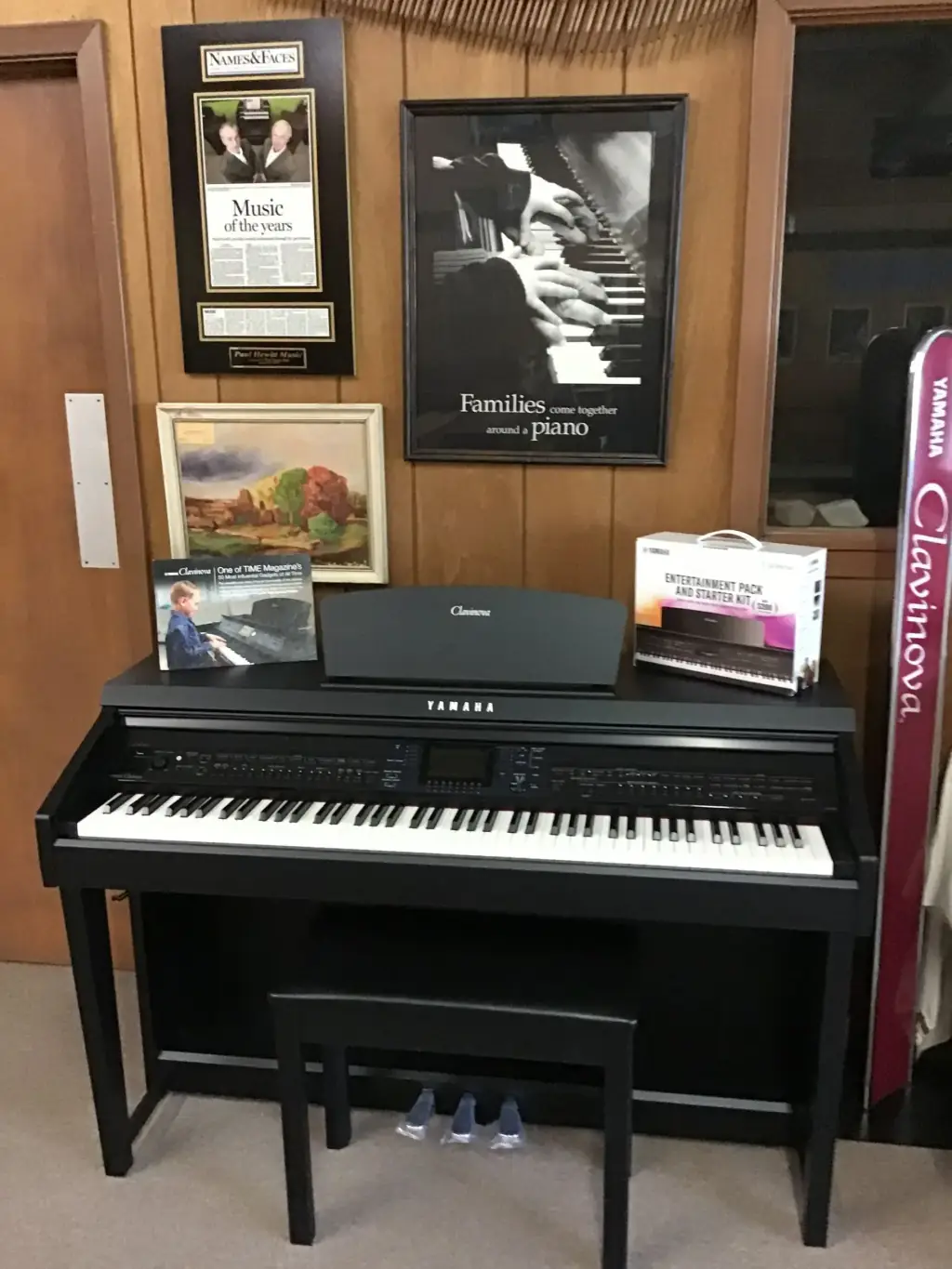
This is one of the most common conversations we have on the floor at 1504 Lamy Ln, and there's no single right answer, but there is a right process for getting to one. It comes down to four things that actually matter for a home in this part of Louisiana: humidity, space, noise, and how the player wants the keys to feel. Get honest about those four and the decision usually makes itself.
Humidity is a bigger factor here than most places
An acoustic piano is built largely of wood, and wood moves with moisture. Monroe's humidity swings hard across the seasons, and a soundboard that expands and contracts with those swings will drift out of tune faster than one kept in a climate-stable environment. That's not a reason to avoid an acoustic piano, plenty of homes here keep one perfectly happy for decades, but it does mean placement and climate control matter more than people expect. Keep the instrument away from exterior walls, direct sun, and heating or cooling vents, and it will hold its tuning far better through our summers and winters. A digital piano sidesteps this problem entirely, there's no wood soundboard to move, no strings to drift, which is part of why digitals appeal to households that don't want to think about it.
Space and where the instrument actually lives
An upright needs a wall and real depth, a baby grand needs a genuine footprint and, ideally, a room that isn't also doing three other jobs. If you're working with a smaller home or an apartment, a digital piano's compact cabinet, or in some cases a stage piano on a stand, solves a real constraint that no amount of preference will get around. On the other hand, if you've got the room, the physical presence and resonance of an acoustic instrument, the way the whole cabinet vibrates when you play, is something a digital genuinely can't reproduce, however good the speaker system.
Noise, headphones, and shared households
This one comes up constantly with parents of beginners and with adults returning to the instrument in a house full of other people. A digital piano with headphone output lets someone practice at any hour without the rest of the household hearing a note, which matters more than people admit until they're the ones trying to work from home while a kid runs scales in the next room. An acoustic piano has no volume knob. If quiet practice hours matter in your house, that alone can settle the decision.
- Acoustic pianos need placement care in Monroe's humidity: away from exterior walls, vents, and sun
- Digital pianos sidestep tuning drift entirely, no wood soundboard to move with the seasons
- Space is a real constraint, an upright needs a wall and depth, a grand needs a genuine footprint
- Headphone practice on a digital solves the shared-household noise problem an acoustic can't
- A good digital's action should still be weighted and graded, don't settle for unweighted keys
What weighted action means for a digital
If you land on digital, the single most important spec is the action. A weighted, graded action, heavier resistance in the bass, lighter in the treble, is what teaches a player's hand what a real piano feels like, and it's standard now on any digital worth buying, including instruments like our Yamaha Clavinova line, which we've carried in several models over the years, including the CVP-701 in ebony currently on our floor. An unweighted keyboard will let someone play notes, but it won't build the technique a serious student needs, and it's a poor bridge if the household might move to an acoustic piano later.
How to actually decide
Come play both. Sit at an acoustic upright or grand, then sit at a digital with a real weighted action, and notice what you actually respond to, the resonance and touch of the acoustic, or the flexibility and quiet of the digital. We carry both, and we'd rather talk you through the honest tradeoffs for your specific house than push whichever happens to be nearest the door. Stop by 1504 Lamy Ln, Monday through Saturday, 10 to 5, or call James at 318-372-1449 or Frank at 318-680-5737 to ask what's currently on the floor in either category.
Paul Hewitt Music Co. — (318) 372-1449
Call (318) 372-1449More articles
Buying Your Child's First Piano: What Actually Matters
Before you worry about baby grand versus upright, get the three things right that actually decide whether your child keeps playing.
Upright, Console, Studio, Spinet: What the Words Actually Mean
The words on a piano's spec sheet aren't marketing, they describe real differences in height, action, and tone. Here's what each one means.